Learn best technique for trail braking in Rally racing: the benefits on gravel
Trail braking: in this article we explain the origins, the needs, the opportunities that trail braking offers in Rally driving.
In the world of rally racing, every split-second decision can make the difference between triumph and defeat. One of the most critical techniques that rally drivers employ, particularly on gravel surfaces, is trail braking. While it’s a method commonly associated with tarmac racing, its application on gravel offers unique advantages that can drastically enhance a driver’s performance. This guide delves deep into the art of trail braking in rally racing, focusing on its benefits on gravel and why mastering this technique is essential for any serious rally driver.
Understanding trail braking
Trail braking is a technique where a driver continues to apply the brakes while entering a corner, gradually releasing pressure as they approach the apex. This method contrasts with the more traditional approach of completing all braking in a straight line before turning. Trail braking allows for a more dynamic weight transfer and greater control over the car’s balance, especially when navigating tight or unpredictable corners.
The science behind trail braking in Rallying
To truly appreciate the benefits of trail braking, it’s crucial to understand the physics involved. When a driver brakes in a straight line, the weight of the car shifts forward, increasing the grip on the front tires while reducing it on the rear. As the driver begins to turn while still braking, this weight transfer continues to influence the car’s dynamics. By carefully modulating the brake pressure, the driver can maintain an optimal balance, ensuring that the front tires have enough grip to steer while the rear tires are controlled enough to avoid sliding out excessively.
Trail braking on gravel: a game changer
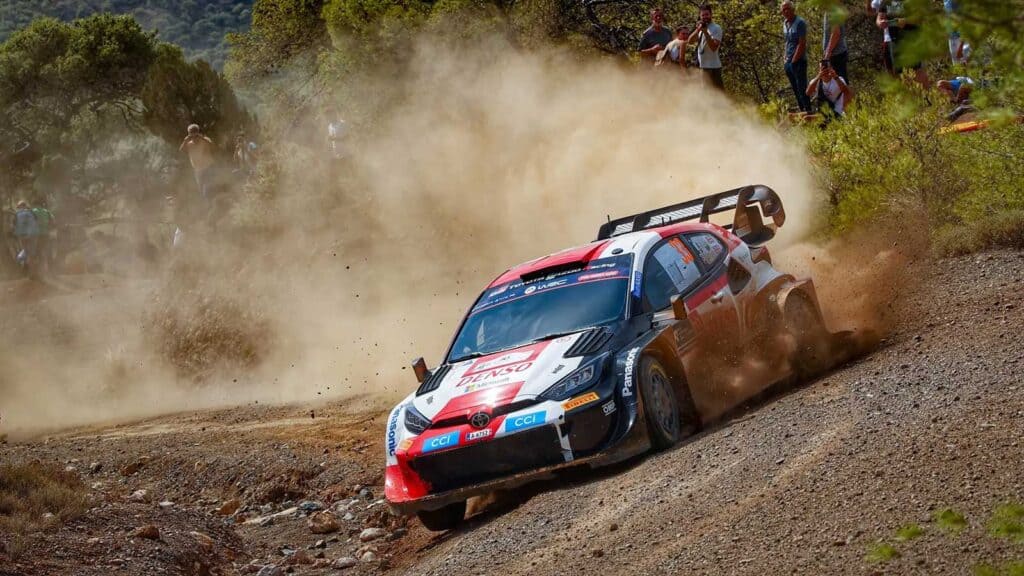
Gravel surfaces present a unique set of challenges in rally racing. The loose surface drastically reduces tire grip compared to tarmac, making it easier for a car to slide or lose control. This is where trail braking becomes a critical skill. By extending the braking zone into the corner, drivers can better manage the car’s entry speed and trajectory, allowing for a smoother transition through the turn and avoiding the understeer.
- Enhanced corner entry control
On gravel, traditional braking methods can lead to understeer or oversteer, depending on the car’s setup and the corner’s nature. Trail braking, however, allows the driver to fine-tune the car’s entry into the corner. By maintaining some braking force as they turn, drivers can keep the front tires engaged, reducing the likelihood of understeer. This technique also helps in managing oversteer, as the gradual release of brake pressure provides a smoother transfer of weight, preventing the rear from stepping out too abruptly. Releasing the brake in the correct way is essential: we need to prevent the nose of the car from rising too quickly (pushed upwards by the shock absorber springs) causing a sudden loss of grip on the front. - Improved weight distribution
Weight distribution is key in rally racing, especially on gravel where grip levels are inconsistent. Trail braking aids in keeping the car balanced throughout the corner. As the driver releases the brakes while turning, the weight shifts back to a more neutral position, allowing for better control. This balance is crucial for maintaining speed through the corner and setting up for a quick exit, which is often the difference between a competitive stage time and a disappointing one. - Increased cornering speed
While it may seem counterintuitive, trail braking can actually increase cornering speed on gravel. By entering the corner with the brakes still partially applied, drivers can carry more speed into the turn compared to the traditional braking method. This increased entry speed, combined with the controlled deceleration throughout the corner, allows for a more fluid and faster navigation of tight or complex sections of a rally stage. It’s crucial to carry into the correct the right amount of energy (speed) that allow us to pivot the car in the right moment. - Better adaptability to changing conditions
Gravel stages in rally racing are notoriously unpredictable. The surface can change from one corner to the next, with varying levels of loose gravel, compact dirt, or even mud. Trail braking gives drivers the flexibility to adapt to these changing conditions in real time. By modulating brake pressure based on the immediate feedback from the car and surface, drivers can react more effectively to unexpected changes, maintaining control and minimizing time loss.
How to learn trail braking on gravel
Mastering trail braking on gravel requires a combination of skill, experience, and the right mindset. Here’s how rally drivers can perfect this technique:
- Start with the basics
Before diving into trail braking, it’s essential to have a solid foundation in basic rally driving techniques. Understanding car control, weight transfer, and the dynamics of braking and acceleration on gravel is crucial. Drivers should practice braking in a straight line applying a bit of steering and gradually introduce trail braking into their repertoire as they become more comfortable with the car’s behavior. - Gradual implementation
Trail braking should be introduced gradually. Start by extending the braking zone slightly into the corner, experimenting with different levels of brake pressure while turning. Over time, as you become more comfortable with the car’s response, you can begin to fine-tune your approach, adjusting the brake release point and pressure to suit different corners and conditions. You have to take some time to get used to this “controlled oversteer” in corner entrance. - Focus on smoothness
The key to effective trail braking is smoothness. Abrupt brake releases or excessive pressure can unsettle the car, particularly on loose gravel. Practice smooth transitions from braking to acceleration, ensuring that the car remains balanced throughout the maneuver and keep the right speed. We have to avoid to kill car’s speed. - Practice in real conditions
There’s no substitute for real-world practice, especially in the varying conditions of a gravel rally stage. Engage in regular practice sessions on different gravel surfaces to build confidence and adaptability. Remember, every stage is unique, and the ability to read the road and adapt your trail braking technique to the specific conditions is what sets the best drivers apart.
Trail Braking at Vittorio Caneva Rally School
At Vittorio Caneva Rally School, we recognize the importance of mastering advanced techniques like trail braking to excel in rally racing. Our Stage1 Rally Course is designed to equip drivers with the skills needed to dominate on loose surfaces. With personalized instruction from world-class rally drivers and hands-on practice on challenging gravel tracks, our students learn to harness the full potential of trail braking.
Our training programs are tailored to both novice and experienced drivers, offering a progressive approach to skill development. Whether you’re looking to refine your trail braking technique or gain a deeper understanding of car control on gravel, our courses provide the perfect platform to elevate your rally driving abilities.
Conclusion
Trail braking is an essential skill for rally drivers, particularly when competing on gravel surfaces. By enhancing corner entry control, improving weight transfers, and increasing cornering speed, this technique offers a significant competitive advantage. However, mastering trail braking requires patience, practice, and expert guidance. At Vittorio Caneva Rally School, we are committed to helping drivers unlock their full potential, providing the training and resources needed to conquer any gravel stage.
By integrating trail braking into your rally repertoire, you not only improve your performance on gravel but also gain a deeper understanding of car dynamics and control. This advanced technique is a game changer, and with the right approach, it can be the key to your success in the exhilarating world of rally racing.