A Technical Step Forward for Rally Simulation, Still Chasing Reality
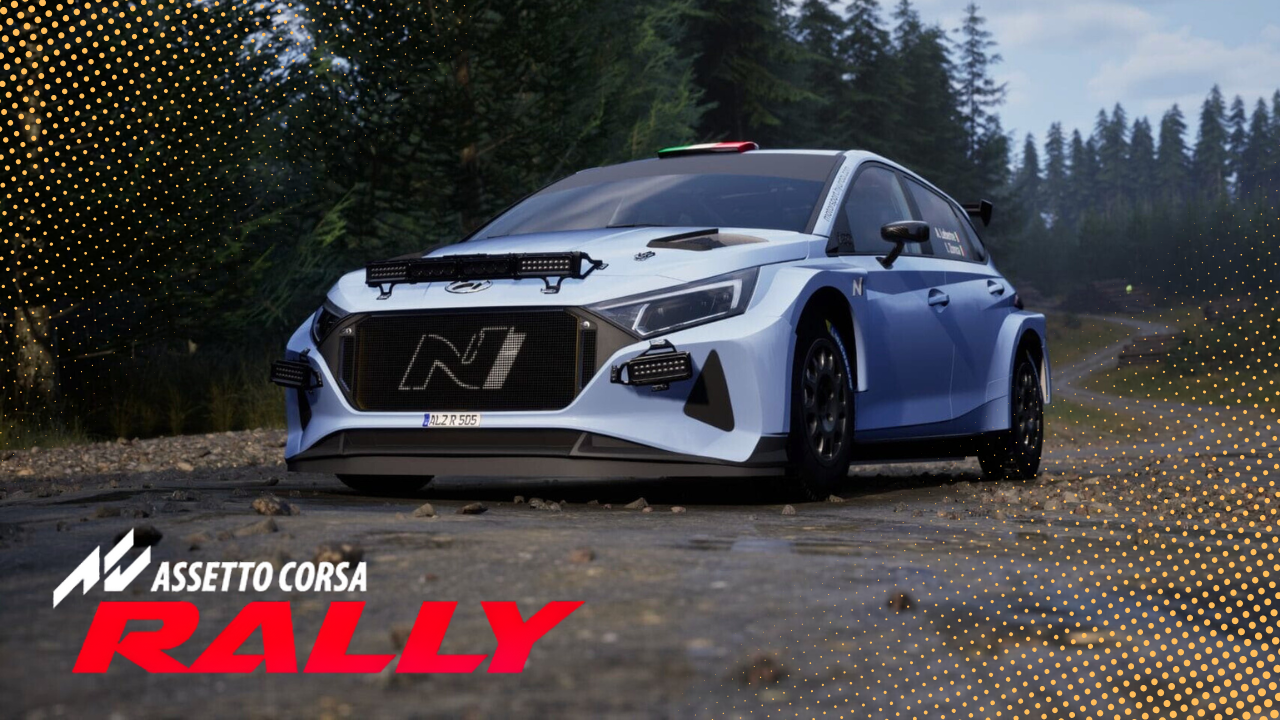
The arrival of Assetto Corsa Rally marks a long awaited moment for the rally simulation community. Developed by Kunos Simulazioni, a name already synonymous with high fidelity circuit simulation, this project aims to bring the same engineering driven philosophy into the complex and unforgiving world of rallying.
Version 0.2, recently released, represents an important evolution compared to the initial 0.1 build. The direction is clear: reduce artificial difficulty, improve drivability, and start building a more credible relationship between virtual driving and real rally technique.
Why We Watch Sim Racing Closely at Vittorio Caneva Rally School
At Vittorio Caneva Rally School, sim racing is not entertainment alone. It is an observed laboratory. Internally, we operate a dedicated simulator for research and development purposes, where we test emerging technologies, driving models, and perception tools. The objective is precise: understand how close simulation can get to real stage driving and where it still diverges.
The sim racing world is making concrete progress. Hardware, software, physics engines, and data handling are steadily closing the gap between simulation and reality. That gap is not gone yet, but it is undeniably narrower than it was only a few years ago.
Driving Feel: A Clear Improvement Over Version 0.1
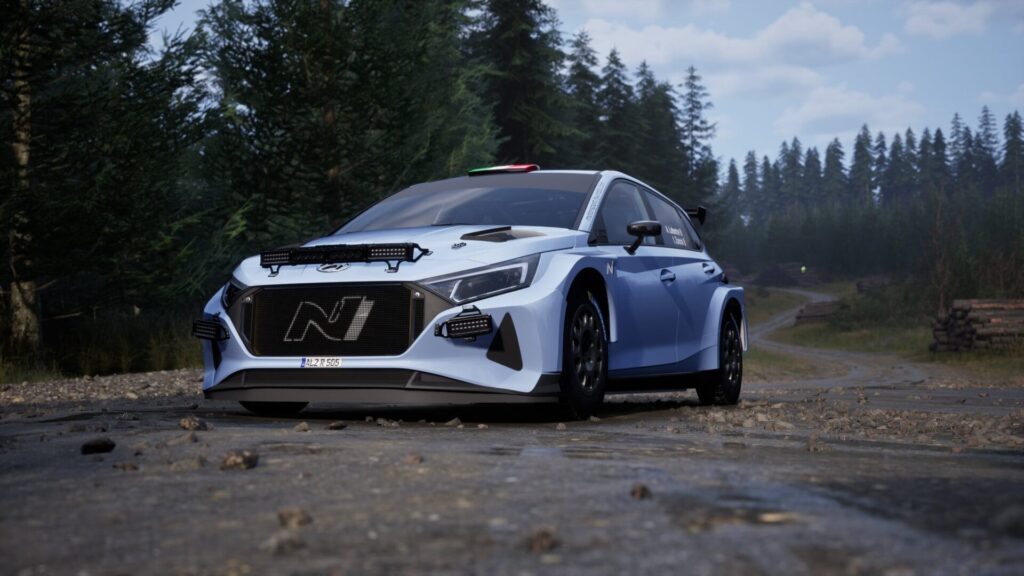
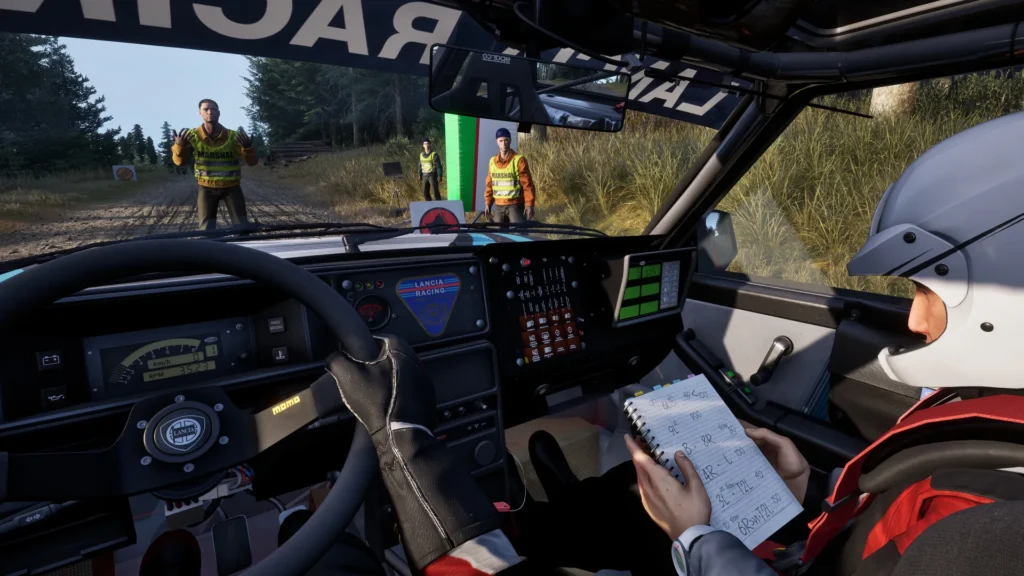
Compared to version 0.1, Assetto Corsa Rally 0.2 is a step forward. The cars are now more manageable, and the sensation of fighting unnecessary instability has been reduced. This is a crucial point: real rally cars, even at high performance levels, are more driveable than many simulations suggest.
The most convincing progress is found in the Rally2 category. The balance, inertia management, and overall behaviour are closer to what we expect from a modern Rally2 car. Weight transfer is more readable, and the car no longer feels artificially nervous in every phase.
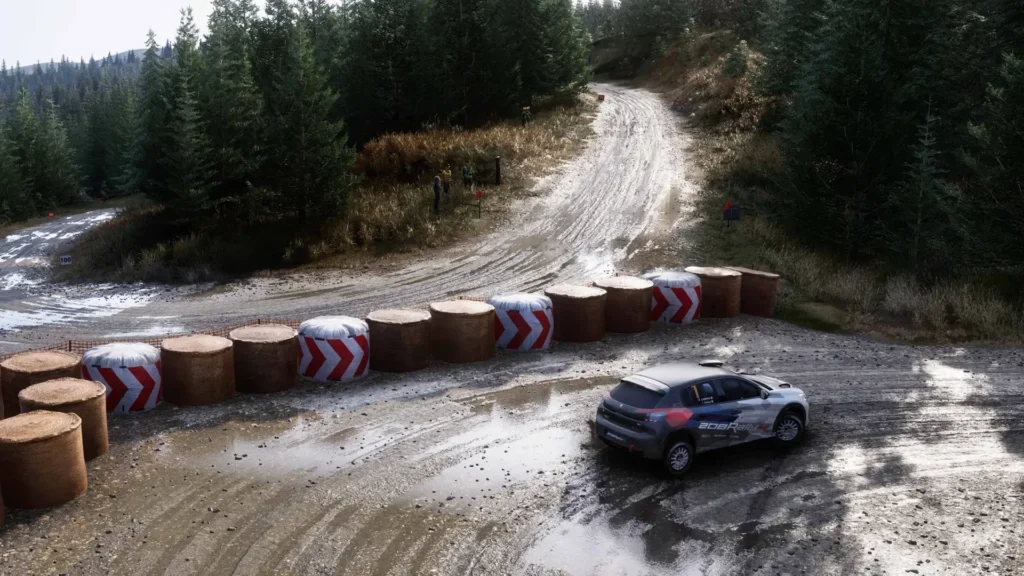
Rally4, however, still remains problematic. The car is overly nervous, especially on entry and mid corner. Braking feel is weak, with limited feedback through deceleration phases. There is improvement compared to version 0.1, but the behaviour is still far from reality. In real conditions, Rally4 cars are progressive, communicative, and forgiving. Here, they remain unnecessarily difficult.
Grip, Surfaces, and Perception of Speed
Surface modelling is one of the most complex aspects of rally simulation, and Assetto Corsa Rally shows both strengths and weaknesses.
On gravel, lateral grip remains too low. In reality, gravel can offer significant grip, especially with modern tyres and correct driving technique. The current model underestimates this potential, leading to exaggerated sliding and reduced confidence.
On asphalt, once control is lost, recovery often feels impossible. This does not always reflect real dynamics, where chassis compliance, tyre deformation, and suspension travel still offer recovery margins. Additionally, certain compressions, cuts, and surface changes are not correctly absorbed by the dampers, both on asphalt and gravel.
The perception of speed is another area still to be refined. Visual flow, depth cues, and scale need further work to provide the driver with the correct reference points, especially at high speed.
Pacenotes and Ice: A Pleasant Surprise
Pacenotes inevitably reflect the vision of who wrote them. They are personal by nature, and no universal solution exists. That said, the notes in Assetto Corsa Rally are coherent, clear, and functional within their simplicity.
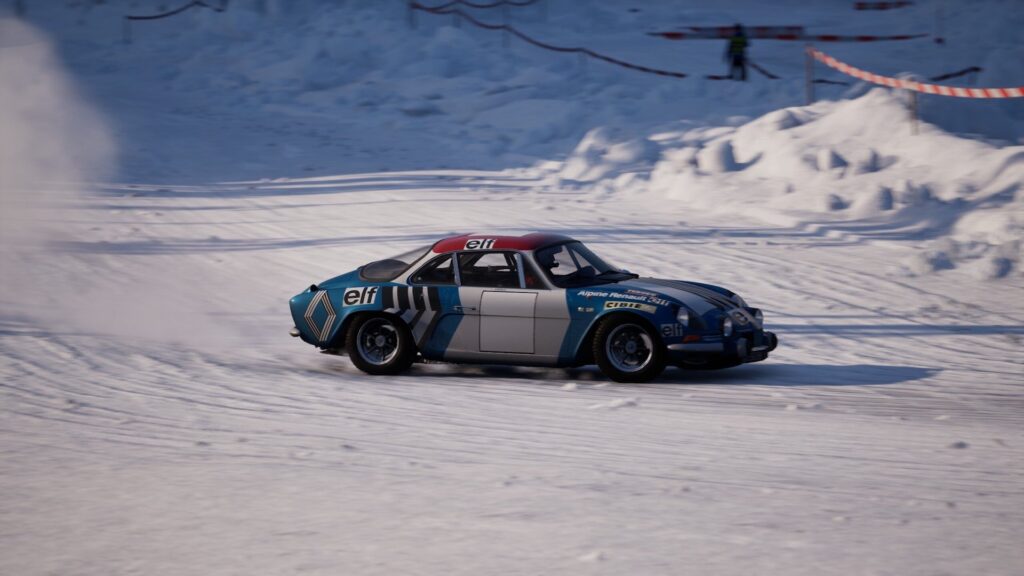
The biggest positive surprise comes from ice driving. The stage set at the Ghiacciodromo di Livigno delivers a convincing experience in terms of grip, balance, and vehicle response. It is evident that, at the moment, the physics engine performs best on low grip surfaces, where its characteristics align more naturally with expected behaviour.
VR and Training Potential
We are particularly interested in upcoming updates, especially VR support. Virtual reality has the potential to dramatically improve depth perception, spatial awareness, and distance judgement. These elements are fundamental for any form of serious driver training. VR could become a key tool in making rally simulation not only more immersive, but also more educational.
The Timeless Rally Simulation Problem
As with almost every rally game, the fastest stage times are achieved with driving styles that drift away from reality. Extreme cuts, unrealistic risk management, and line choices that would be unsustainable in real competition are still rewarded.
This remains one of the core limits of rally simulation. On circuits, strict track limits prevent shortcuts and force realism. In rallying, that same discipline is far harder to enforce digitally.
Final Thoughts
Assetto Corsa Rally represents an important change of pace for rally simulation. It fills a void that had grown too large over recent years. While the current version still shows limitations, the foundations are solid, the direction is technically sound, and the development philosophy is clear.
If the upcoming updates continue on this path, Assetto Corsa Rally has the potential to become not only a reference for virtual rallying, but also a meaningful tool for driver and co driver development. The road ahead is demanding, but the stage has finally been opened.