


CAR TELEMETRY
Your driving technique analyzed
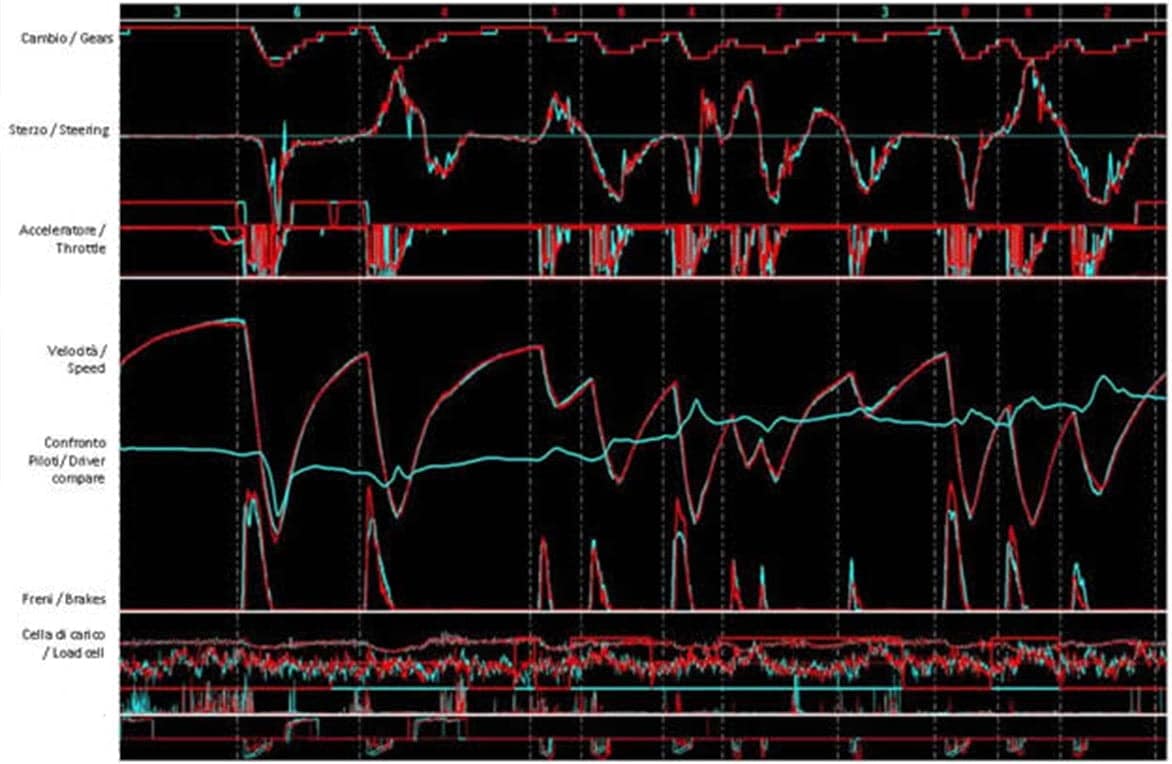
In the career of a Rally driver, moments of decline in performance can occur, just as this can happen in all sportsmen who practice sports where concentration and coordination are crucial. Many times, however, the driver does not realize his decline and goes looking for reasons in the performance of the car or, for example, in the performance of the tires. The driver does not always realize that he is the one not making the best lines or not making the most of the car’s potential. This is where Telemetry comes to the rescue. An objective tool that allows us to precisely analyze driving performance in order to understand which areas to work on to improve.
Sign up now for Caneva Rally School’s Rally Driving Courses.
And find out the characteristics of your computer-analyzed driving with telemetry.

RENATO TRAVAGLIA
“Telemetry does not allow cheating, I wanted to see my flaws and the differences between me and the others. I’m glad that Vittorio liked my trajectories, and I’m even more glad that I found out that I need to improve in the starts and that I can file something here and there.”
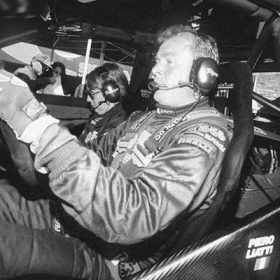
PIERO LIATTI
“It was definitely an interesting test, it struck me how similar our driving is. Even one perfect kilometer, in a rally, no one will ever be able to cover it, but in the end it turned out that the differences between us are infinitesimal.”
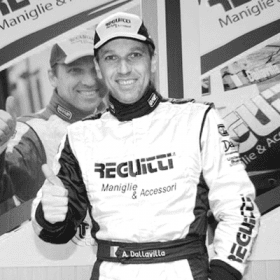
ANDREA DALLAVILLA
“I was curious to discover the world new to me of telemetry and it was a great experience! Now I hope to be able to eliminate some of my mistakes and put this day to good use as early as the next race.”
Telemetry
Telemetry makes it possible to graphically analyze all the movements made by the driver on the stretch of road used as a test. The degrees of steering give the trajectory traveled, the coefficient of lateral acceleration (y) makes it possible to check how a driver uses the car’s grip, the coefficient of understeer (Kus) reveals the limits of driving, braking is measured in its intensity, speed, engine revolutions, and throttle opening make it possible to analyze to the hundredth of a second whether the maneuver made is correct or not. All this data is compared with already acquired tracks made by even very established drivers who have previously volunteered to conduct the test and endorse the best possible lines. In early 2001, three of Italy’s best drivers underwent a day of testing in our school’s Seat Cordobas; read their impressions in the box to the side.
Discover telemetry applied to your driving!
ENROLL IN CANEVA SCHOOL COURSES
