How to Choose the Perfect Pirelli Rally Tire for Every Surface
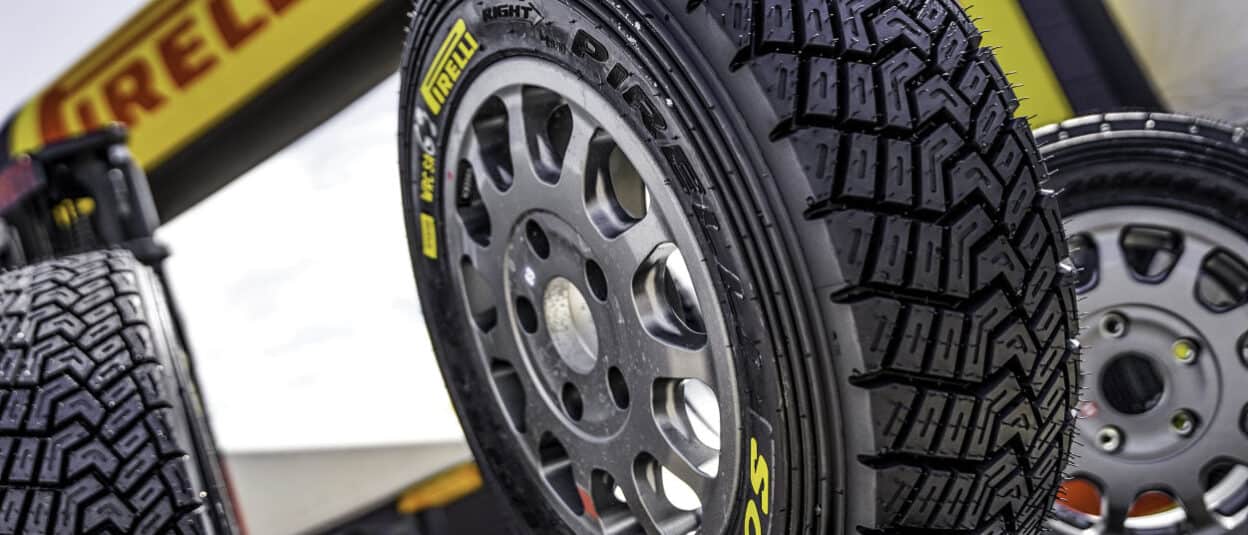
Pirelli’s rally tire range for modern cars is designed to excel across a variety of surfaces and conditions, ensuring drivers can push the limits while maintaining control. With purpose-built tires for asphalt, gravel, snow, and ice, Pirelli provides a versatile toolkit to tackle the challenges of modern rallying. This article delves into the technical aspects of Pirelli’s rally tires for modern cars, focusing on their optimal usage based on weather, surface, and temperature.
Asphalt Tires: Precision on Tarmac
Pirelli’s asphalt range is designed to deliver maximum grip and performance, no matter the conditions. For modern rally cars, the lineup includes compounds ranging from 5 to 9, the soft 7+, as well as the RKW7 and RW tires tailored for wet surfaces.
Tire Compounds and Their Applications
- 5: Hard compound ideal for dry and warm conditions, providing durability and consistency on high-grip/medium surfaces.
- 7 mediums compound ideal for dry and warm conditions, providing durability and consistency on medium/smooth surfaces.
- 7+: A soft compound that bridges the gap between the 7 and 9, offering more grip than the 7 in cooler or slightly slippery conditions while maintaining durability.
- 9: The super-soft option, tailored for cold or slippery asphalt stages, where maximum grip is crucial.
- RKW and RW: Wet-weather tires with specialized tread patterns and softer compounds for optimal water dispersion and grip in rainy conditions.
Gravel Tires: Mastering Loose Surfaces
Gravel rallying demands tires that can handle a wide range of terrains, from compact to loose or muddy conditions. Pirelli’s K series is the ultimate solution, with reinforced options for extreme durability and specialized designs for mud.
Tire Compounds and Their Applications
- K4: A medium-hard compound ideal for compact gravel and abrasive surfaces. Excellent for warm and dry conditions.
- K6: A soft compound for loose or slightly wet gravel, delivering optimal grip in cooler conditions.
- K8: A super-soft compound for loose and wet gravel, providing maximum traction on low-grip surfaces.
- K4 rf/K6 rf (Reinforced): Reinforced versions of K4 and K6 for extreme conditions, offering additional durability on rocky or highly abrasive terrain.
- KM6: Specifically designed for muddy conditions, with an aggressive tread pattern for enhanced grip.
Snow and Ice Tires: Dominating Winter Conditions
For snow and ice stages, Pirelli provides specialized tires that offer unmatched traction. These include the Sottozero Snow for snow-covered roads and the Ice Zero for icy surfaces.
Key Features
- Sottozero Snow: Designed for fresh snow or snow-packed roads, with a deep tread pattern and flexible compound.
- Sottozero Ice: Studded tires for icy surfaces, ensuring stability and grip with embedded metallic studs.
Optimal Tire Pressure: Key to Success
Tire pressure plays a pivotal role in ensuring peak performance and tire longevity. Pirelli provides precise guidelines to help teams manage tire pressures for various conditions.
Pressure Management Tips
What is the target pressure at the end of the stage?
The target pressure represents a balance between performance and tire integrity. It should be chosen based on the type of stage and your specific objectives but mainly on the tires in use, following the instruction of the manufacturer.What is the ideal starting pressure for a stage?
The starting pressure should be set to ensure you achieve the target pressure by the end of the stage. This end pressure must always be the priority.How do I warm up the tires effectively?
Use a combination of accelerations and braking to bring the tires up to temperature. Aim to increase the pressure by at least 0.5 bar compared to the pressure at departure from the service park.When should I check and adjust tire pressures?
Perform checks and adjustments before the first stage and after the completion of every subsequent stage.What if I can’t warm up the tires before the stage?
In the absence of warm-ups, tire pressure will naturally rise more during the stage. Start with a lower initial pressure and focus on managing and warming the tires during the early sections of the stage.
Mastering Compound Selection
Pirelli’s compound numbering system simplifies the process of choosing the right tire for the conditions:
- Lower numbers = harder compounds: Ideal for high temperatures and abrasive surfaces.
- Higher numbers = softer compounds: Best for low-grip or cold conditions.
This system ensures that teams can quickly adapt to changing conditions, maximizing their performance on the stages.
Conclusion
Pirelli’s rally tire range for modern cars is a perfect blend of innovation, engineering, and performance. With a lineup tailored to specific surfaces and weather conditions, Pirelli empowers drivers and teams to excel in the most challenging environments. Success in rallying is not just about choosing the right tires; it’s about understanding how to use them effectively. By selecting the appropriate compound, maintaining optimal pressure, and adapting to stage feedback, drivers can unlock the full potential of their Pirelli tires.
Whether competing on hot asphalt, loose gravel, or icy tundras, Pirelli’s rally tires are the ultimate tool for modern rally champions. At the Vittorio Caneva Rally School, we specialize in teaching drivers how to unlock the full potential of Pirelli tires, ensuring optimal performance and control across every stage and surface.